Cut the biggest recurring
bill in your household
Most Philippine homes spend more on electricity over twenty-five years than they spend on the house itself. A properly sized rooftop system converts most of that into a one-time investment that pays for itself in four to six years — and with bank financing, without a large cash outlay.
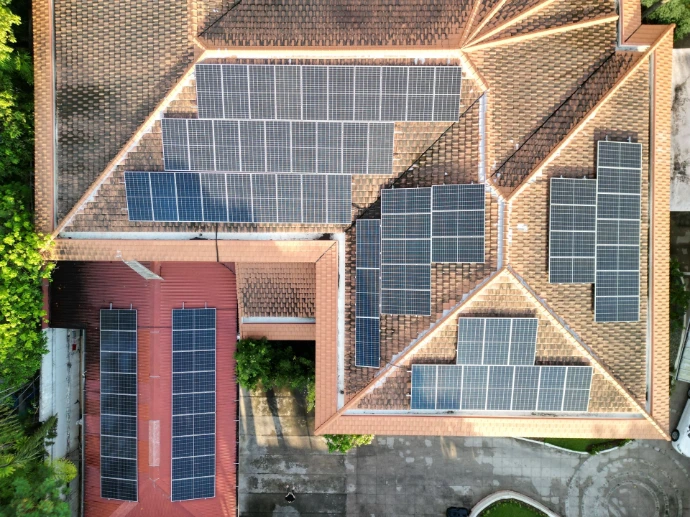
What a residential installation includes
Site assessment and design
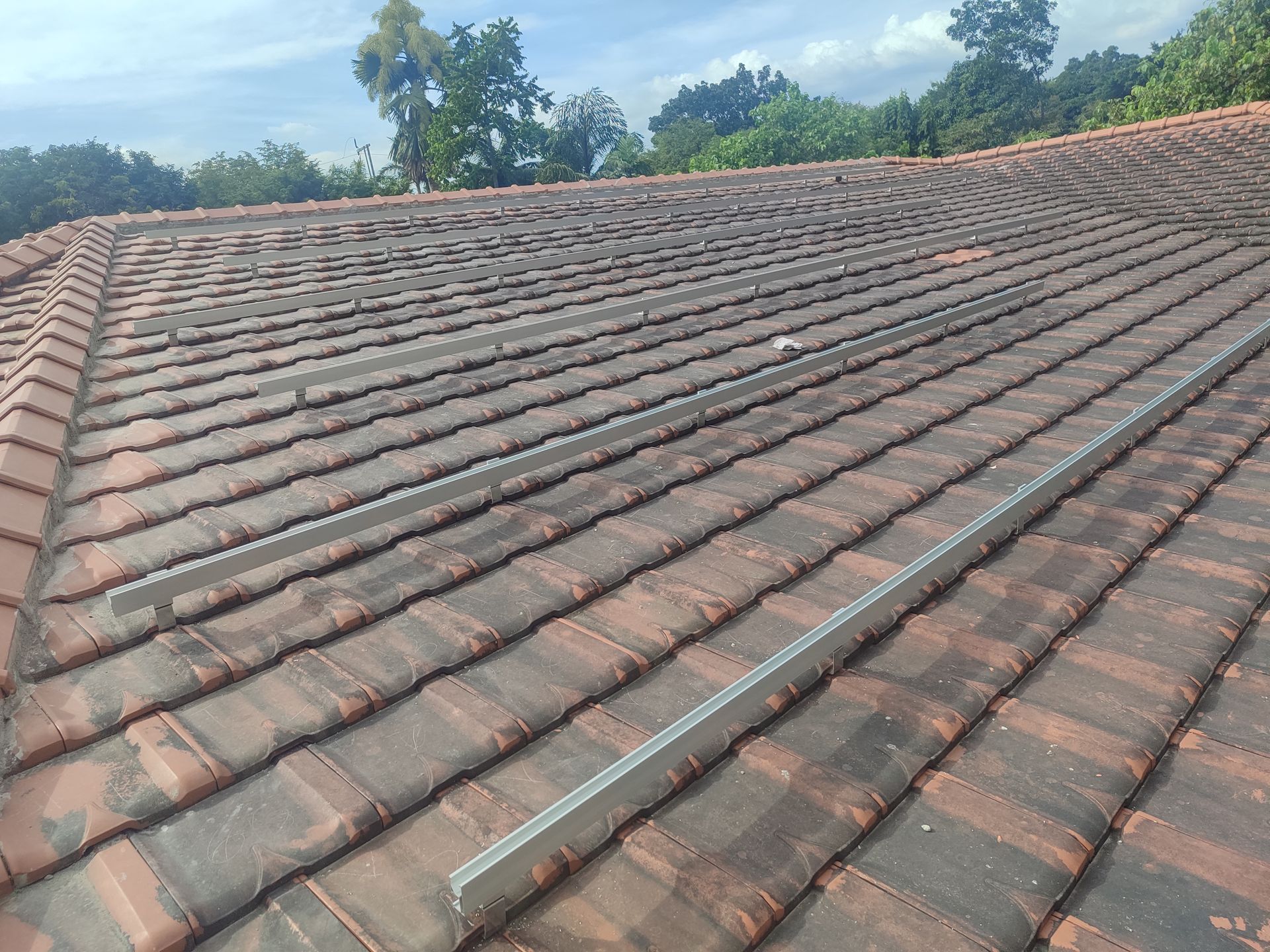
We inspect the roof, check your electrical panel, and size the array against your last three Meralco bills.
Equipment and installation
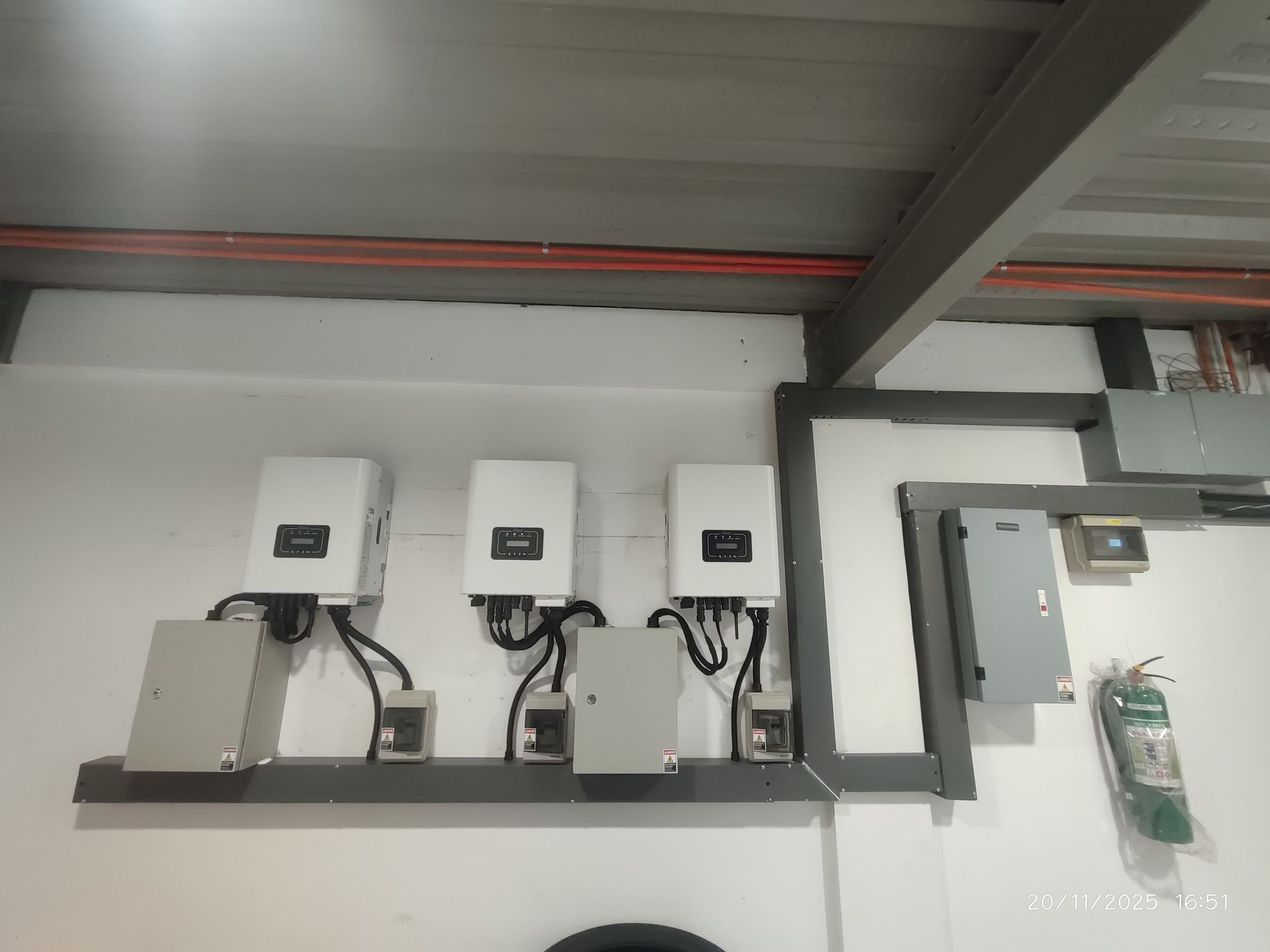
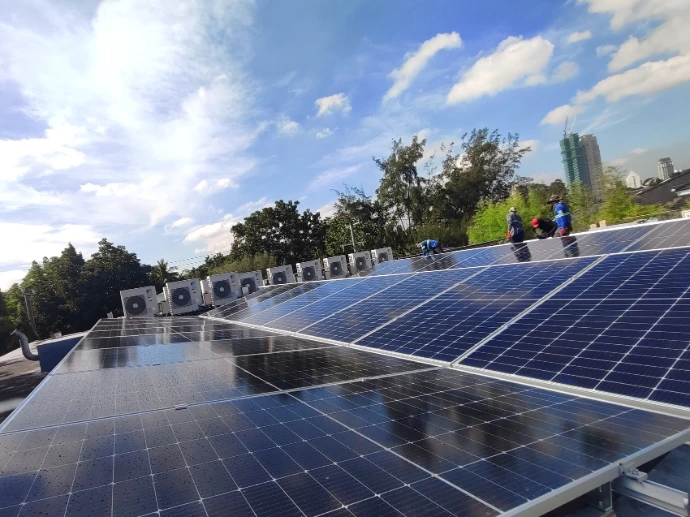
Tier-1 panels, inverters, and mounting hardware, installed by our own engineering team.
Permits and net metering
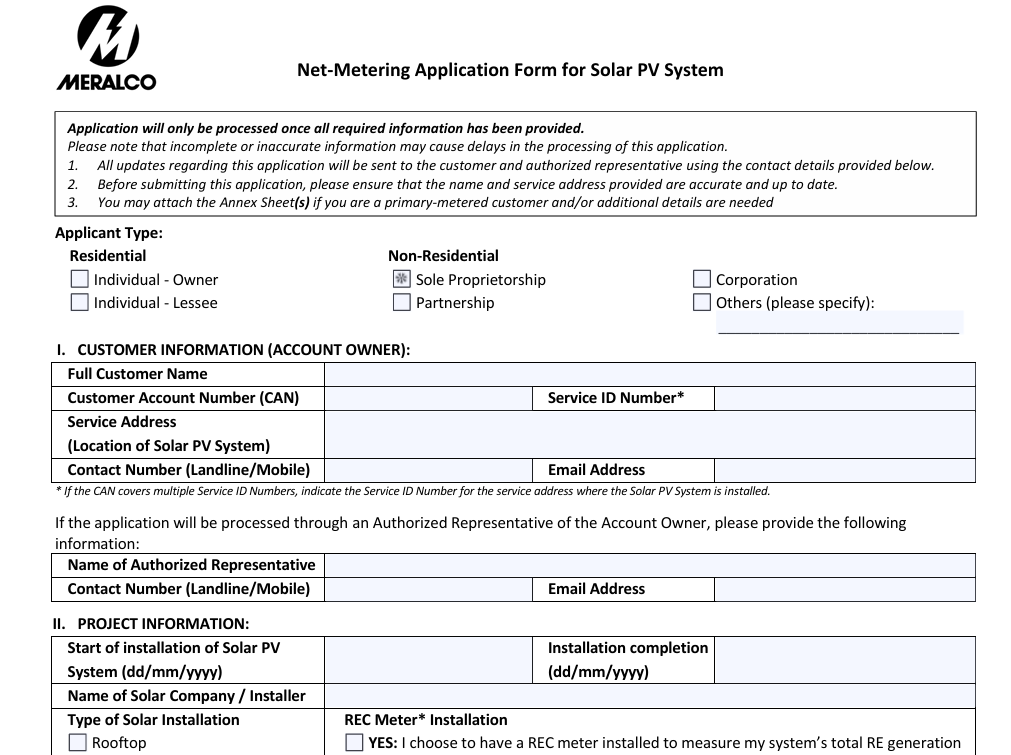
We prepare and submit the utility application and coordinate the electrical permits with your LGU.
Monitoring and support
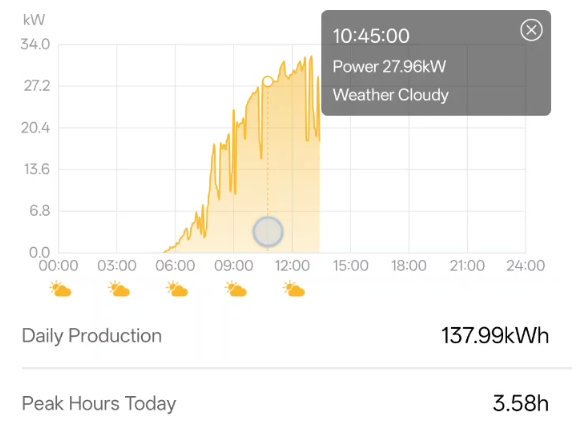
Performance monitoring, warranty handling, and scheduled maintenance after commissioning.
Typical residential systems
8-10 kWp
For a monthly bill of ₱8,000-15,000
13–17 panels
12-18 kWp
For a monthly bill of ₱15,000-28,000
20–30 panels
20-32 kWp
For a monthly bill of ₱28,000-50,000
34–55 panels
These are starting points. Your actual system size depends on how much of your consumption falls during daylight hours, your available roof area, and whether you want battery backup.
On-grid vs hybrid
On-grid
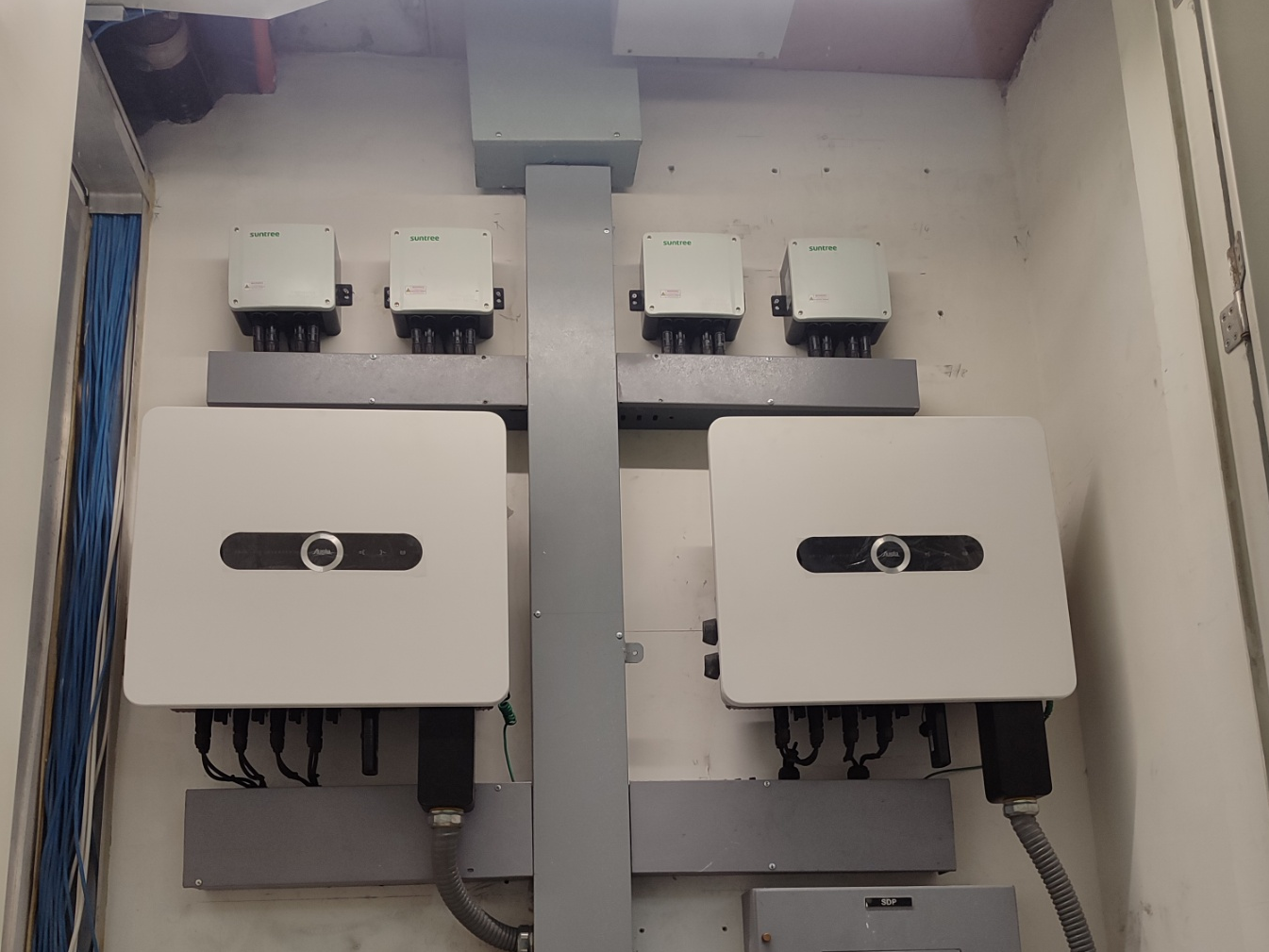
The standard choice. Your system offsets consumption during the day and draws from Meralco at night. Lowest cost per kilowatt installed and the fastest payback. It shuts down during a brownout — that's a mandatory safety feature, not a fault.
Hybrid
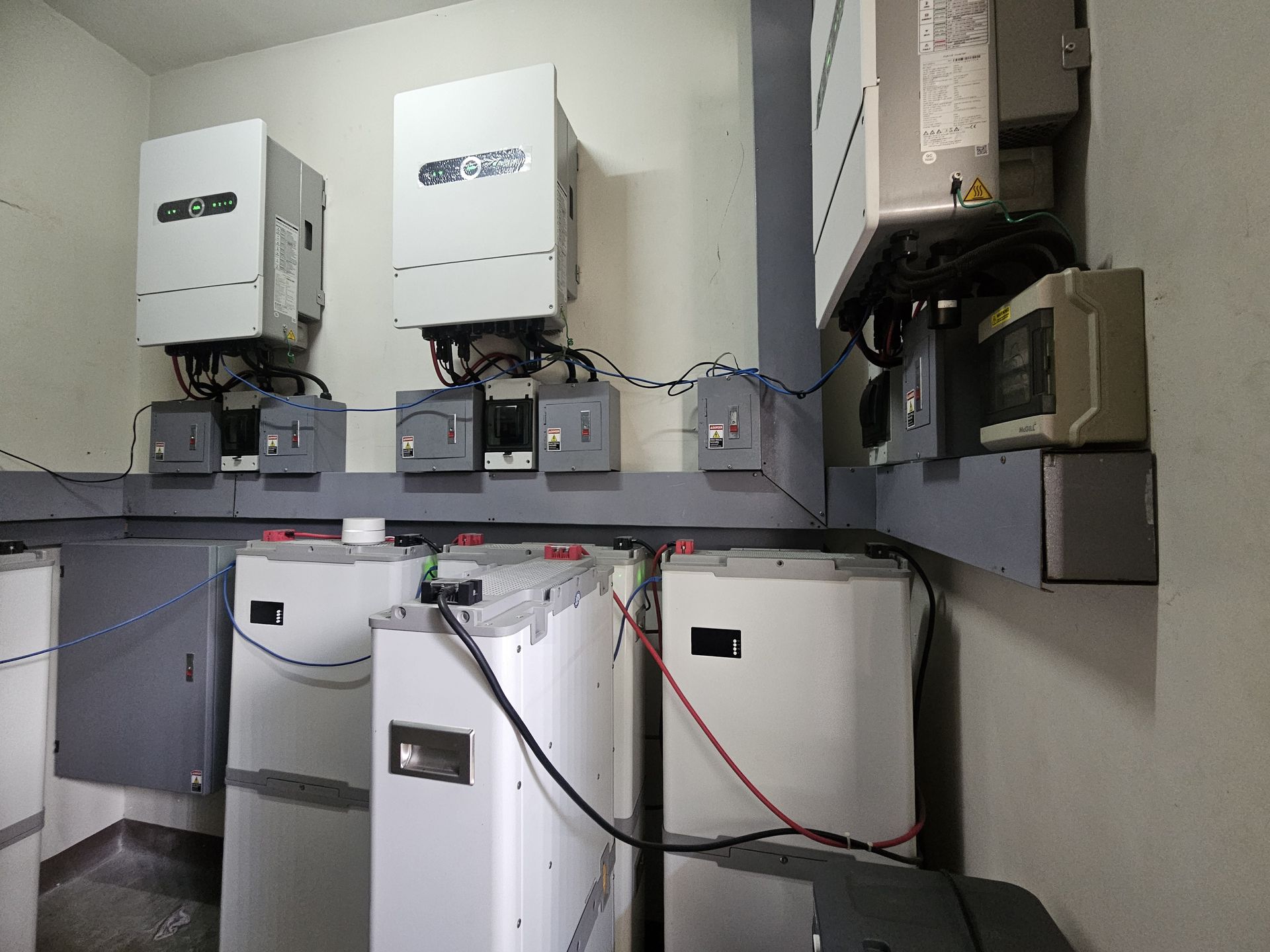
Adds battery storage so your essential circuits keep running through an outage. Costs more per kilowatt and lengthens payback, but if brownouts are frequent in your area or you work from home, it's often worth it. We'll model both so you can compare.
Questions worth asking before you sign
The things people ask us before they commit.
As a rule of thumb, allow around 5 to 6 square metres of usable roof per kWp on a pitched roof, so a 5 kWp system needs roughly 25 to 30 square metres and a 10 kWp system around 50 to 60. Flat concrete roofs need more — closer to 8 to 10 square metres per kWp — because the panels are tilted and need spacing between rows so they don't shade each other. What matters as much as total area is how much of it is unshaded and unobstructed: vents, water tanks, and aircon units all eat into usable space.
Yes, though it's cheaper and simpler to size correctly the first time. Expansion depends on two things: whether you have spare roof area, and whether your existing inverter has capacity to take more panels — if it doesn't, you'll need an additional inverter, which changes the economics. Your net metering agreement also has to be amended with the utility for the new capacity. We'll flag during design if there's a case for oversizing the inverter now to leave room later.
The system is a permanent fixture and transfers with the property, which generally makes the house more attractive to buyers — they inherit a lower electricity bill. The net metering agreement is tied to the utility account rather than the building, so the new owner will need to have it transferred into their name; we can walk them through it. Equipment warranties follow the installation, not the original purchaser.
Rain does most of the work during the wet season. In practice we recommend cleaning twice a year, more often if you're near a main road, a construction site, or an industrial area where dust settles heavily, or if birds are a problem. Clean water and a soft brush is all that's needed — never detergent, never a pressure washer, and never in the middle of the day when the glass is hot. Our maintenance service covers this if you'd rather not go on the roof.
Done properly, no. We assess the roof structure before installing and select a mounting method suited to it — non-penetrating clamps on standing-seam metal roofs, sealed and flashed fixings where penetrations are unavoidable, and tile hooks on tiled roofs. Leaks come from poor flashing rather than from solar itself, which is why we don't subcontract the installation. Our workmanship is warranted, and if your roof is near the end of its life we'll tell you to replace it first rather than mount an array on top of it.
Send us your last three Meralco bills
That's all we need to come back with a properly sized system, a bill of quantities,
and a payback calculation based on your actual consumption.
No obligation.